PM discusses options to remove Indian Act with First Nation leadership
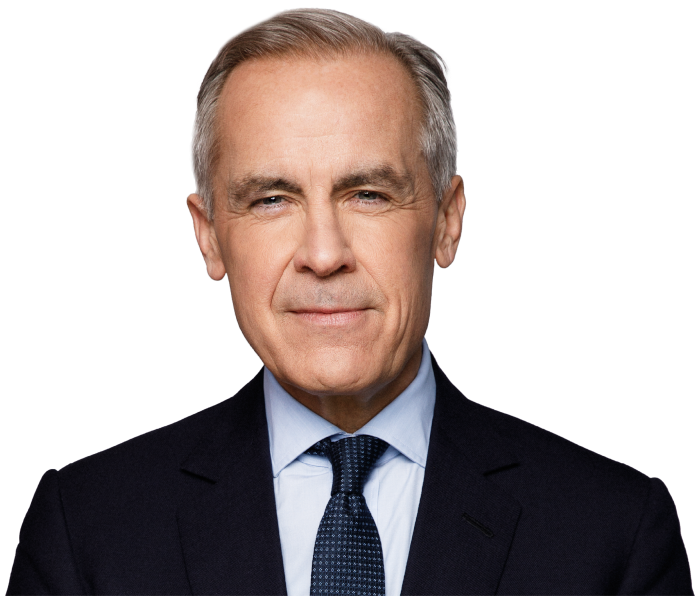
Prime Minister Mark Carney Monday convened a meeting between First Nations leadership and First Ministers to advance shared priorities and build a stronger, fairer Canada. This was the first meeting of its kind.The leaders focused on new opportunities for First Nations to develop, operate, and share in the economic benefits of major infrastructure projects. They agreed to develop new revenue-sharing mechanisms, including the potential creation of a new First Nations Sovereign Wealth Fund. Prime Minister Carney directed the Minister of Finance to work with First Nations leaders to determine how to most effectively establish such a fund, with the clear goal of giving First Nations peoples a direct stake in major projects.Building on these efforts, the Prime Minister announced that the federal government will amend the First Nations Fiscal Management Act to expand the First Nations Finance Authority’s lending authority. This will make it easier for First Nations to secure financing to invest in major projects and share in the returns. The leaders also discussed bolstering efforts to recruit, train, and hire more First Nations workers to build these infrastructure projects. To that end, the Government of Canada today announced $260 million over four years to establish the new Partnerships for Indigenous Workforce Readiness Fund. This will provide targeted funding to connect Indigenous Peoples with job opportunities created by major projects. The government is also working on an Indigenous-focused stream of the $8 billion Team Canada Strong initiative to connect Indigenous workers with paid, entry-level trades jobs and get them onto job sites faster.During the meeting, the leaders discussed the possibility of reforming or abolishing the Indian Act as part of a broader effort to modernise the Crown’s relationship with First Nations. The Prime Minister reaffirmed his commitment to charting a path beyond the Indian Act and is directing ministers to work in partnership with First Nations to develop that path. First Nations leaders and First Ministers addressed closing critical gaps in emergency preparedness and policing in First Nations communities. Today, Prime Minister Carney announced more than $2.5 billion in funding over five years, and nearly $450 million in ongoing funding, through the Emergency Management Assistance Program, the Wildland-Urban Interface firefighting initiative, and the First Nations Fire Protection Strategy. This funding will better equip First Nations communities to conduct evacuations, provide emergency assistance, and rebuild homes and critical infrastructure following disasters.The government also announced more than $630 million over four years, alongside $250 million in ongoing annual funding, to renew and expand First Nations and Inuit Policing Program agreements. Based on a robust, needs-based costing assessment, these agreements will substantially close gaps between First Nations and non-Indigenous police services. The federal government also announced an additional $140 million over four years to fund crime prevention and culturally sensitive community safety initiatives in Indigenous communities across the country.The Government of Canada is making generational investments in education, housing, community infrastructure, and mental health support for First Nations. We are acting to ensure First Nations children on reserves have access to high-quality education, to expand access to culturally safe mental health and primary care services for First Nations, and to build safe, affordable housing for families on reserve and throughout the country. We introduced the First Nations Clean Water Act to improve access to safe drinking water and committed more than $4.5 billion to implement this legislation and build, maintain, and operate water and wastewater infrastructure on reserves. The responsibility of today’s meeting and the conversations that will follow is ultimately to ensure that these investments, in addition to those made by provinces and territories, are made as effectively as possible. Together, we will keep raising our ambition to build a stronger, fairer Canada for all.“Canada’s strength comes from what we can build and what we achieve together. That means working in partnership, government to government, to ensure that First Nations not only have the opportunity to build their community and country stronger, but to share in the wealth we create – including through new revenue tools such as a First Nations Sovereign Wealth Fund. Today, the federal government, provinces, territories, and First Nations leaders built on our progress and raised our ambitions to build bigger and better, together," said PM Mark Carney.