


Federal and Ontario governments team up to shield key industries
The federal and Ontario governments are teaming up to deploy $8.7 billion in targeted funding aimed at shielding key industries from aggressive U.S. trade tariffs and accelerating domestic supply chain projects.
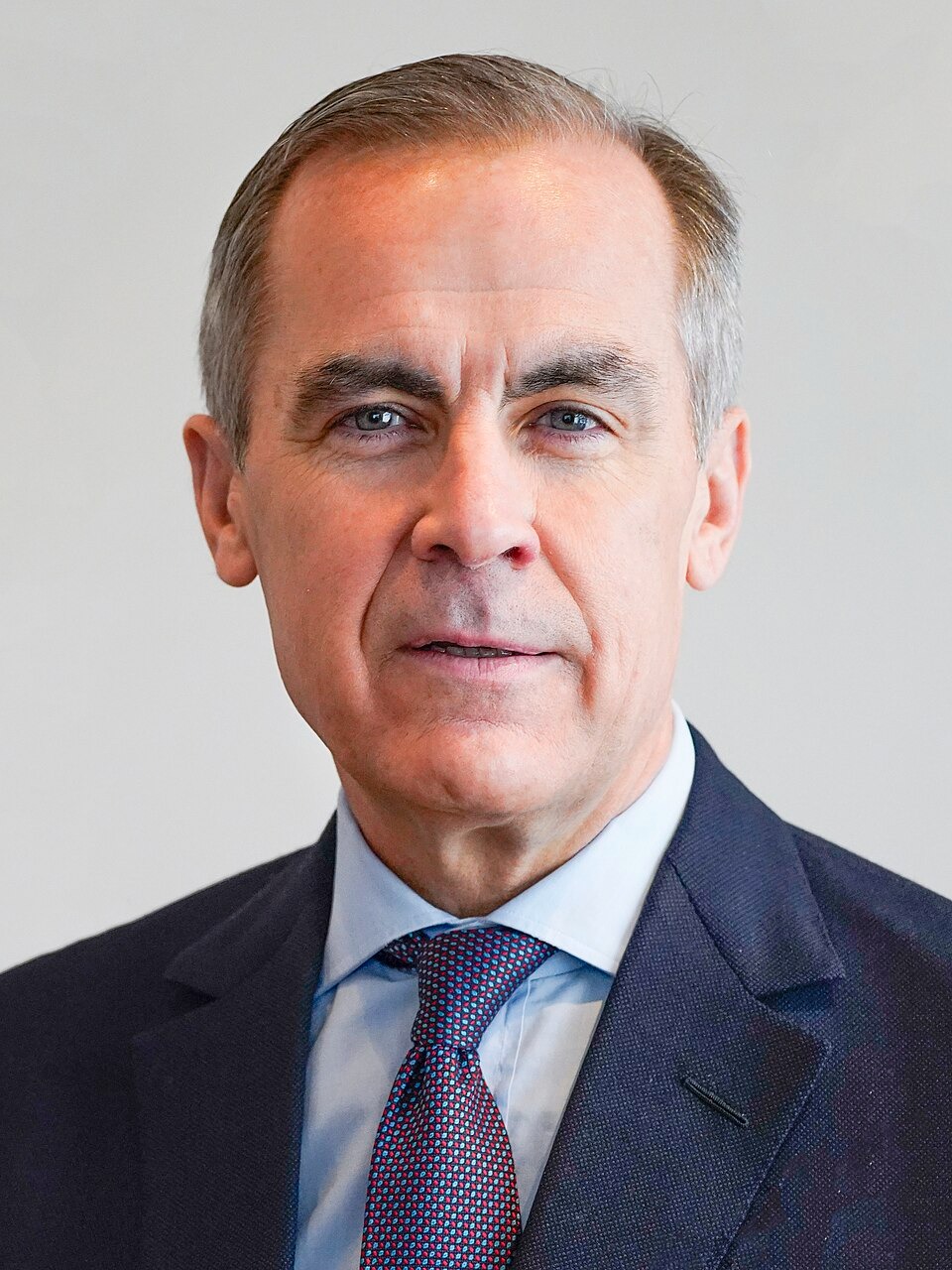
Prime Minister Mark Carney and Ontario Premier Doug Ford unveiled the joint action plan today, framing the massive injection of cash as a direct defense of Canadian workers and manufacturing amid heightened global market volatility.
"From mine to mill to assembly line, Canada and Ontario are protecting jobs today and making bold investments that will build a stronger, more resilient, more independent Canadian economy for tomorrow," Carney said.
The package prioritizes three pillars of Ontario's industrial economy: steel, automotive manufacturing, and critical minerals development.
Under the framework, the two levels of government will create a $5.22-billion Joint Steel Action Fund over five years—with $3.55 billion committed by Ottawa and $1.67 billion from Ontario—to modernize production, open overseas export routes, and pivot domestic steel toward defense, energy, and advanced manufacturing projects. The funding will be paired with strict CBSA trade enforcement against foreign steel dumping and "Buy Canadian" and "Buy Ontario" rules for public procurement.
For the auto sector, the plan allocates $2.5 billion in joint capital funding over two years—$1.5 billion from the federal government and $1 billion from Ontario—to help automakers upgrade assembly lines for electric and connected vehicles. In a key regulatory shift, Ottawa will freeze greenhouse gas emission rules for light-duty vehicles at 2026 levels through model year 2029 before resuming annual tightening toward the national 2035 zero-emission vehicle target.
To unlock critical minerals in Northern Ontario’s Ring of Fire region, the federal government will match Ontario's $1-billion commitment over three years for road infrastructure. The plan also establishes a joint federal-provincial permitting streamline, opens access to federal acceleration funds, and sets up a dedicated First Nations working group to explore economic participation and conservation zones.
Ford called the agreement a critical buffer for local supply chains. "The agreement we are announcing today is the next step in our ongoing partnership to provide tariff-impacted workers the certainty and stability they deserve," Ford said.
Both governments will establish dedicated automotive and steel task forces to oversee the implementation of the funding and address ongoing trade pressures.